





Hexavalent chromium
Hexavalent chromium also called chromium VI or 6, is one form of chromium. the metallic, naturally occurring element found in rocks, animals, plants, soil, and volcanic dust and gases. It comes in different forms including trivalent chromium chromium (III), and Hexavalent chromium named as such because it is in the +6 oxidation state, which is is industrially produced.
Hexavalent chromium is listed as a known human carcinogen, causing nasal and sinus cancers, kidney and liver damage, nasal and skin irritation and ulceration, and eye irritation and damage. Exposure can occur through breathing it in, ingesting it in food or water, or direct contact with the skin. Industrial workers who use pigments, spray paints, coatings, plating baths; or weld and cut stainless steel can have higher exposure risks.
Hexavalent chromium, is widely used in electroplating or added to anti corrosion agents in coatings, paints and so on, it is used in the production of stainless steel, in leather tanning, in dyes for textile manufacture and some wood preservatives. It is also used in refrigerant solutions and steel parts that might be found in heat pumps.
Hexavalent chromium is covered by the EU and UK Restriction of Hazardous Substances in Electrical and Electronic Equipment (RoHS) directive and regulations, meaning its use is restricted to 0.1% in products through application and monitored, along with other substances that include lead, cadmium, mercury, polybrominated biphenyls (PBB) and polybrominated diphenyl ethers (PBDE), bis(2-ethylhexyl) phthalate (DEHP), butyl benzyl phthalate (BBP), dibutyl phthalate (DBP) and diisobutyl phthalate (DIBP).
In 2023 the EU however revised hexavalent chromium restrictions and published a new RoHS exemption (entry 9(a)-III in Annex III) for hexavalent chromium as an anticorrosion agent in gas absorption heat pumps. It concluded that it is currently scientifically and technically impracticable to replace its usage in these devices. A maximum concentration of 0.7 % hexavalent chromium by weight in the refrigerant solution is considered sufficient which is only valid for gas absorption heat pumps for space and water heating.
[edit] Related articles on Designing Buildings
- Electrical and electronic equipment
- End of life potential.
- Environmental impact assessment EIA.
- Environmental plan for building design and construction.
- Glossary of electrical terms.
- Hire, reclaim and reuse scheme combats construction waste.
- How to conduct a pre-demolition audit.
- Plastic and recycling.
- Primary non-rechargeable batteries.
- Rare earth metals.
- Restriction of Hazardous Substances in Electrical and Electronic Equipment RoHS
- Recycling explained.
- Secondary rechargeable batteries.
- Types of plastic in construction.
- Waste and Resources Action Programme WRAP.
- Waste hierarchy.
- Waste management plan for England.
Featured articles
Check out some of the best features and news from Designing Buildings as well as key stories from around the web.

Why construction can't afford to ignore the skills gap.
Building Safety Regulator, 19 August

Gill Kernick appointed Independent Chair of Residents’ Panel.
Connecting knowledge, technology and conservation
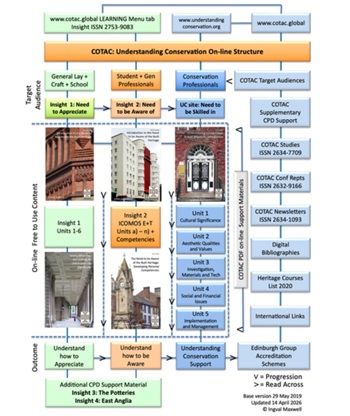
Building competence for the future of built heritage.
Building Regulations and Building Safety Act

CIOB publishes free advice for non-domestic clients.
Building Safety Newsletter from MHCLG.

An extraordinary record of steel engineering worldwide.

Households living near new pylons to save on bills.

ECA warns growth must not outpace grid capacity or skills.
The role of the client and decision making

CIOB response to built environment professions call for evidence.
Construction's sustainability reporting revolution
Tracking upfront embodied carbon with digital tools.
ECA welcomes procurement reforms
Public spending must back British jobs and skills.
Campaigning for Edinburgh: the Cockburn Association 1875-2049

The role of the civic voice in protecting character. Book review.